

Water & drainageGuide 8 of 8
Sump pump cost: replacing a pump vs. installing a new system
From Below the Sill · belowthesill.com/sump-pumps/cost/
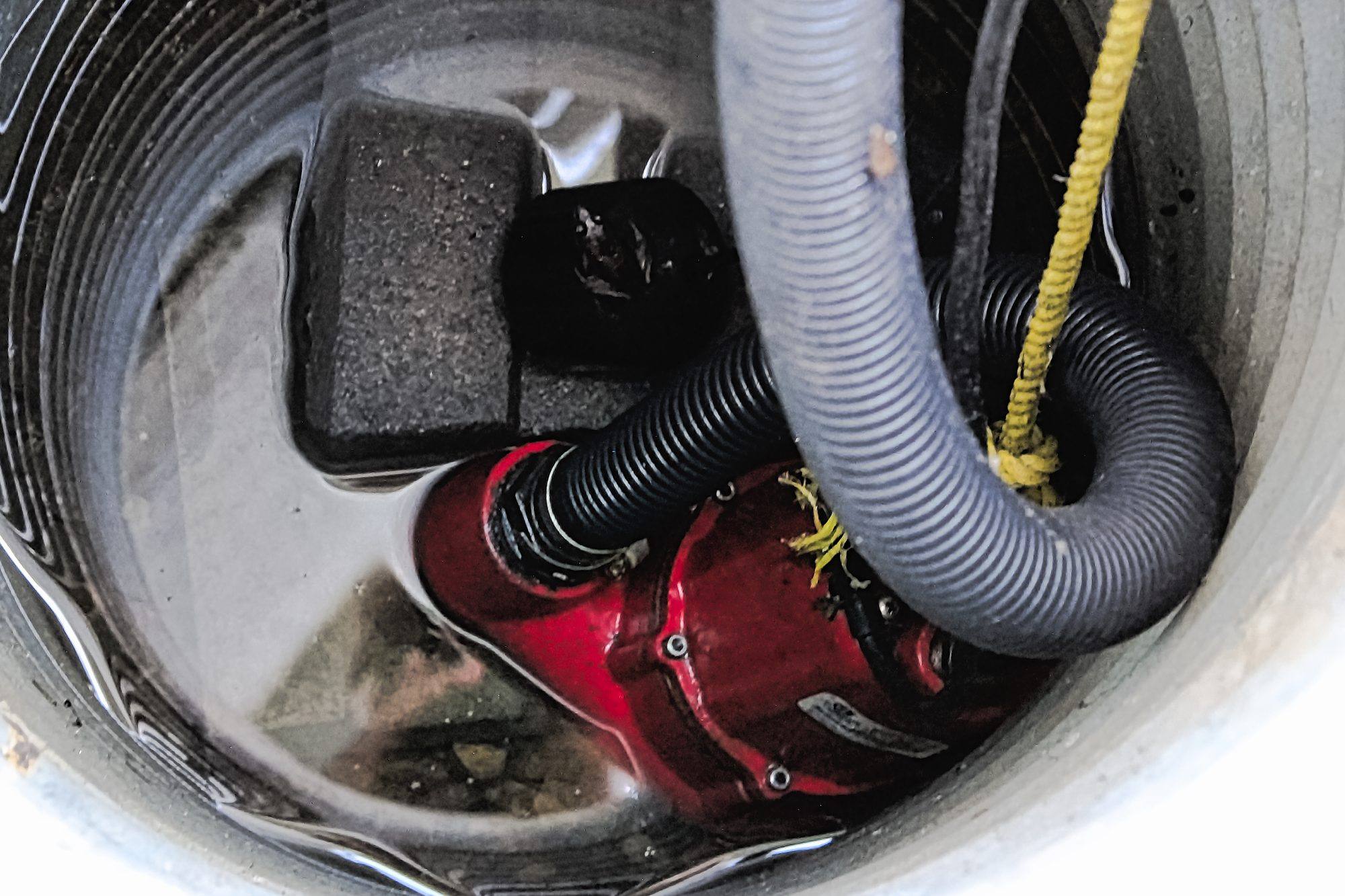
Short answer
Replacing a sump pump in an existing pit usually runs $400 to $700. A new installation where there’s no pit is about $600 to $2,500, and $2,500 to $5,000 if the floor has to be broken up (HomeGuide, 2026). An interior drainage system with a pump is a different job, in the thousands. A battery backup adds about $600 to $2,000. If you can reuse the existing pit and discharge, the price stays low.
On this page
How much a sump pump costs
| Job | Typical cost, installed | What it usually includes |
|---|---|---|
| Replace a pump in an existing pit | $400–$700 | New pump, hookup to the existing discharge |
| Install a sump pump | $600–$2,500 (average about $1,600) | Pump, pit, discharge and labor |
| Install where the concrete floor must be broken up | $2,500–$5,000 | Cutting the slab, pit, pump and patching |
| New or upgraded drainage system | $4,000–$12,000 | Perimeter drain, pit and pump |
| Battery backup pump | $600–$2,000+ | Backup unit, battery, parts, labor and permits |
Sources: HomeGuide’s sump pump installation guide (2026) and battery backup guide (2026). These are national prices, not prices from my own jobs. Before I worry about whether a pump costs $200 more or less, I check whether the existing pit and discharge can be reused. Breaking up the floor and adding drains is what changes the price by thousands of dollars.
Replacing a sump pump
If you have a good pit and a discharge you can use, just replacing the pump is the cheaper job. HomeGuide puts the pump alone at $100 to $400 for a pedestal pump and $100 to $800 for a submersible one, and labor at $500 to $1,700 for a full installation. A straight swap takes less labor than that.
I don’t always replace the check valve when I replace the pump. If it isn’t sealing, it bangs, it’s clogged or cracked, or I have to take it off anyway and it’s in poor shape, I replace it. If it seals and fits the new pump, I leave it. Its location, which way it faces and how it’s been maintained all matter, and some pumps have their own installation requirements.
Installing a sump pump where there isn’t one
A new installation means cutting into the floor, digging and setting the pit, hooking up the pump, running a discharge line outside and patching the floor. If water is coming in along the walls, you may need more than a sump pump: a perimeter drain has to feed the pit. That’s a basement waterproofing job. See basement waterproofing cost.
Adding a backup pump or alarm
A battery backup keeps pumping during a power outage or if the main pump fails. HomeGuide puts it at $600 to $2,000 or more installed: $250 to $600 for the unit, $100 to $400 for the battery, $150 to $600 or more for labor, plus parts and sometimes a permit. You’ll also need to replace the batteries over time. Our guide to sump pump backups compares battery, water-powered and alarm options.
What raises the price
- A new dedicated circuit or outlet. If the pump needs one, that’s an electrician’s job.
- A new discharge line outside, freeze protection, drilling through the wall and repairing the yard.
- A sealed lid, an alarm and a backup.
- Breaking up the slab or adding drains.
- A permit. It isn’t automatic or universal: ask your building department about the specific work and where the water is allowed to go. In many places, connecting a sump pump to the sanitary sewer is prohibited.
Small parts don’t move the price much. HomeGuide lists check valves at $15 to $30 and float switches at $35 to $70, before labor.
Replacing a sump pump yourself: when it’s reasonable
I’d only consider doing it yourself if the pit is accessible and you can work safely, the power supply is right, the new pump has the same capacity and discharge size, and nothing in the floor or the wiring needs to change. Turn off the power safely and follow the manual.
Don’t do it yourself if the pit is flooded, a power cord is damaged, there’s water near outlets, the work touches the sewer line, you’re not sure about local codes or the floor needs cutting. Never climb into a deep pit or put your hands near anything that’s powered.
Reading a sump pump quote
A clear quote tells you which pump is going in (model, horsepower and type), whether the pit is reused or new, what happens to the check valve, where the discharge goes, whether there’s electrical work, whether a permit is needed and what happens to the old pump. If the pump is part of a waterproofing job, ask for the pump and the drainage to be quoted separately.
To keep a new pump working, see our sump pump maintenance checklist. If the one you have has stopped working, start with sump pump troubleshooting.
Who wrote this guide
Written by
Licensed contractor in Virginia who specializes in moisture, water, mold and radon.
- Five IICRC certifications, including Building Moisture Inspection and Mold Remediation Specialist
- Virginia contractor license, Residential Building Contractor (RBC) class
- NRPP certified Radon Measurement Professional (2018) and Radon Mitigation Specialist (2020)
- EPA RRP Certified Renovator (lead-safe renovation)
Below the Sill is independent and educational. We don’t provide inspections, engineering or repair services, contractor referrals or estimates.
Share this guide
All 8 guides in Water & drainage
Water & drainage topic page- 01Yard grading
- 02Downspouts
- 03French drains
- 04Sump pumps
- 05Pump troubleshooting
- 06Sump pump maintenance
- 07Backup and alarms
- 08Sump pump cost (you’re here)
A seasonal check, by email
Four emails a year, before each season changes: what to look at in your basement, crawl space and yard, and the guides we’ve published since the last one.
Sources
- HomeGuide, Sump Pump Installation Cost (opens in a new tab) (2026 edition). Checked October 2026.
- HomeGuide, Battery Backup Sump Pump Cost (opens in a new tab) (2026 edition). Checked October 2026.
Prices checked October 2026. Field cases come from Robert Stulpt’s own work; each names only the state. Below the Sill doesn’t sell pumps or send customers to anyone.