Homeowners insurance guides
What a homeowners policy usually covers when water, mold or foundation damage shows up below the house, which endorsements change the answer, what to document, and how a claim moves once you file. Insurance information is reviewed by Nathaniel Calderbrook, an independent agent. We don’t sell insurance or recommend insurers.
All 5 guides
-
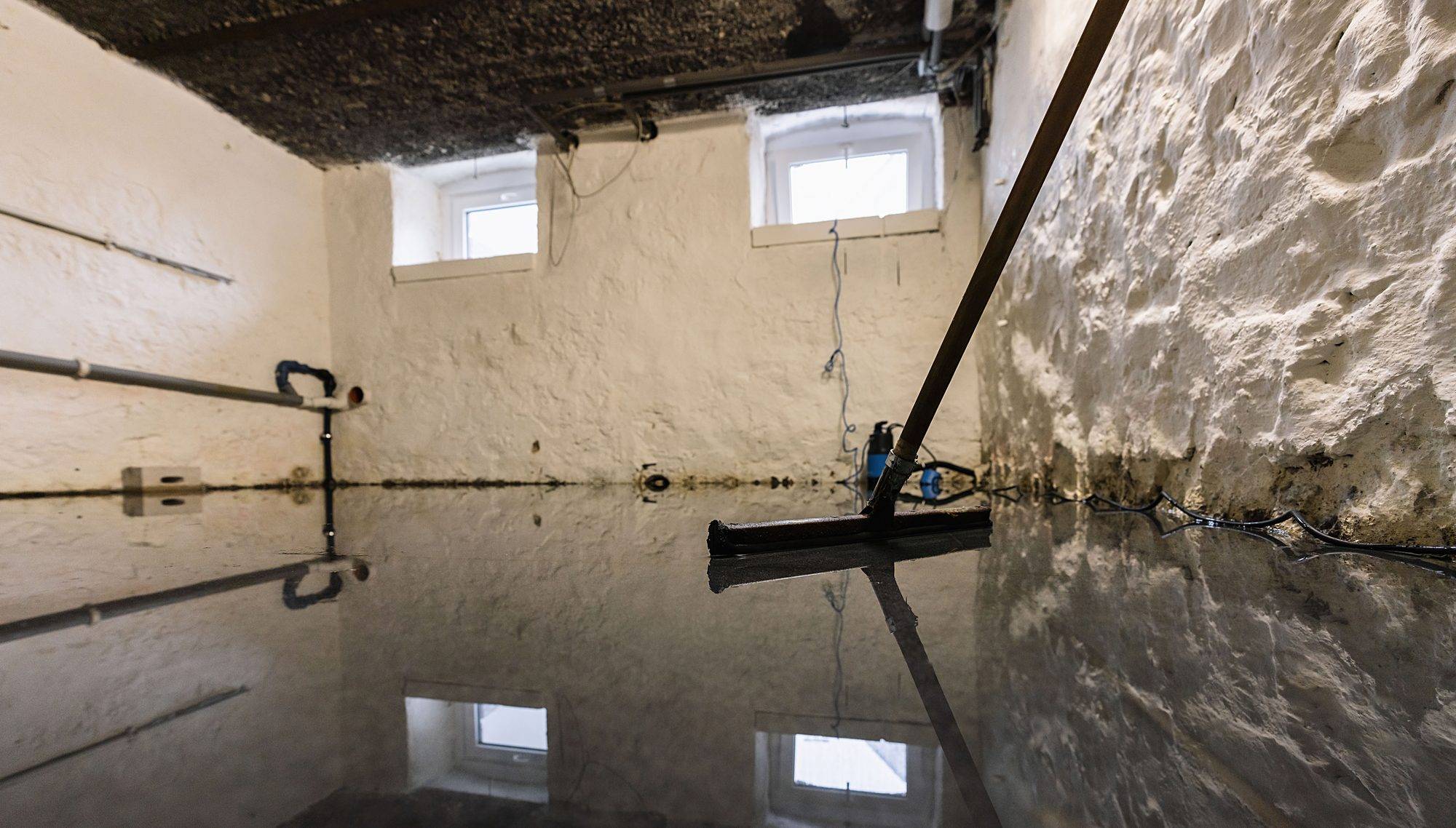
Does homeowners insurance cover a flooded basement?
Whether a flooded basement is covered depends on where the water came from. How burst pipes, backups, seepage and floods are treated, and what to do first.
Read the guide: Does homeowners insurance cover a flooded basement? -
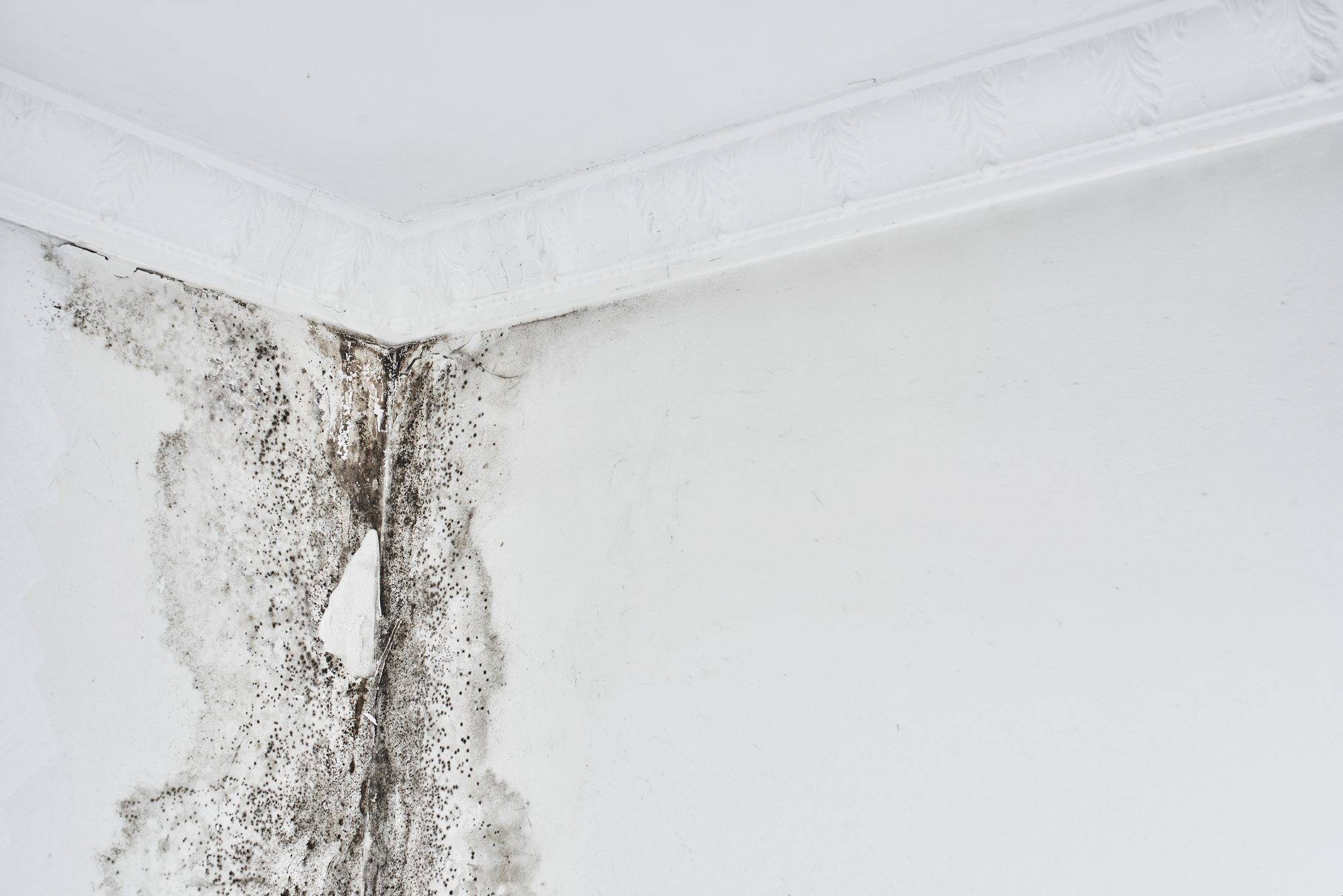
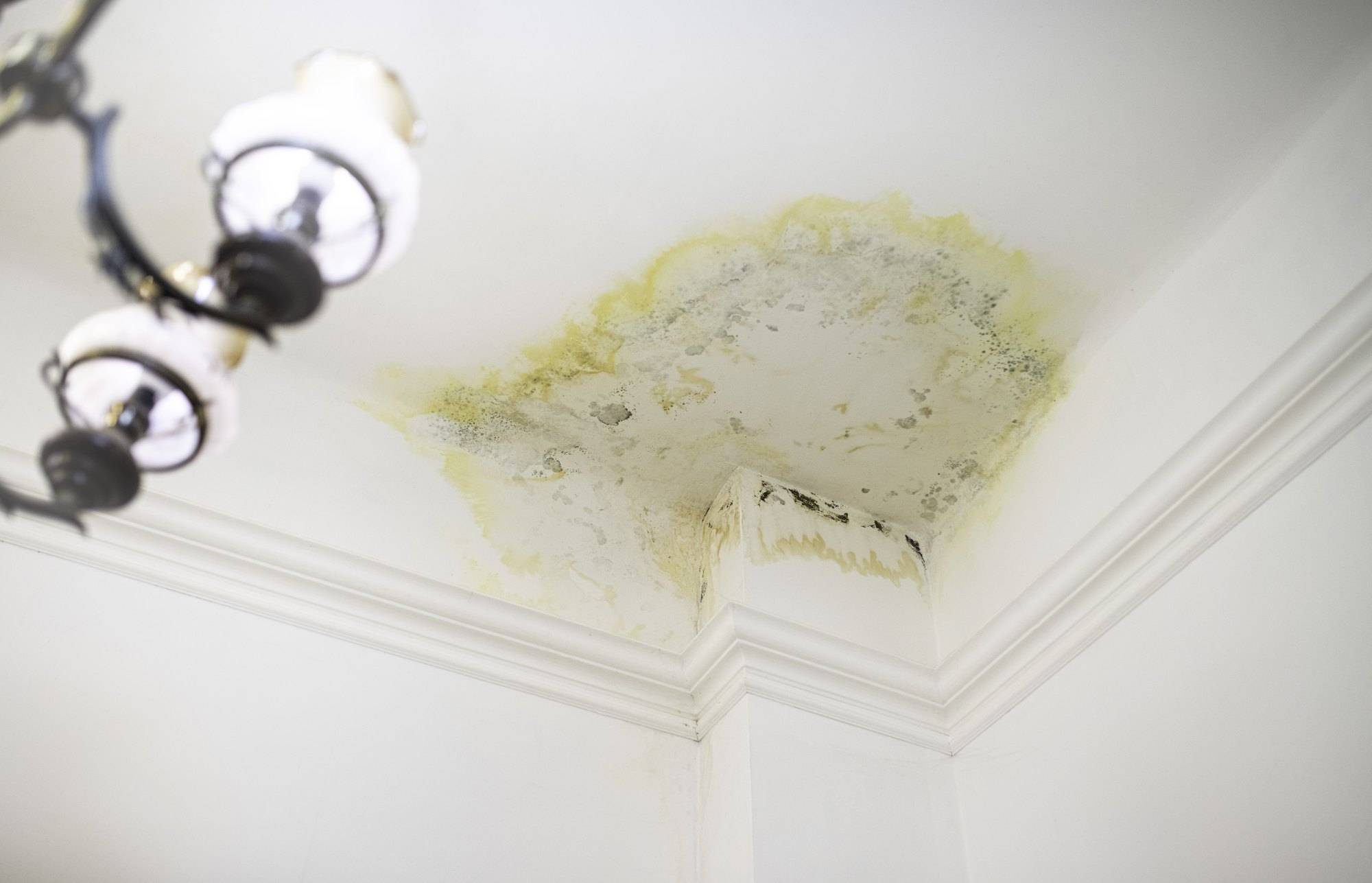
Does homeowners insurance cover mold?
Mold is usually covered only after a covered water event, up to a mold limit. Four real basement cases, the policy wording to check and what to document.
Read the guide: Does homeowners insurance cover mold? -
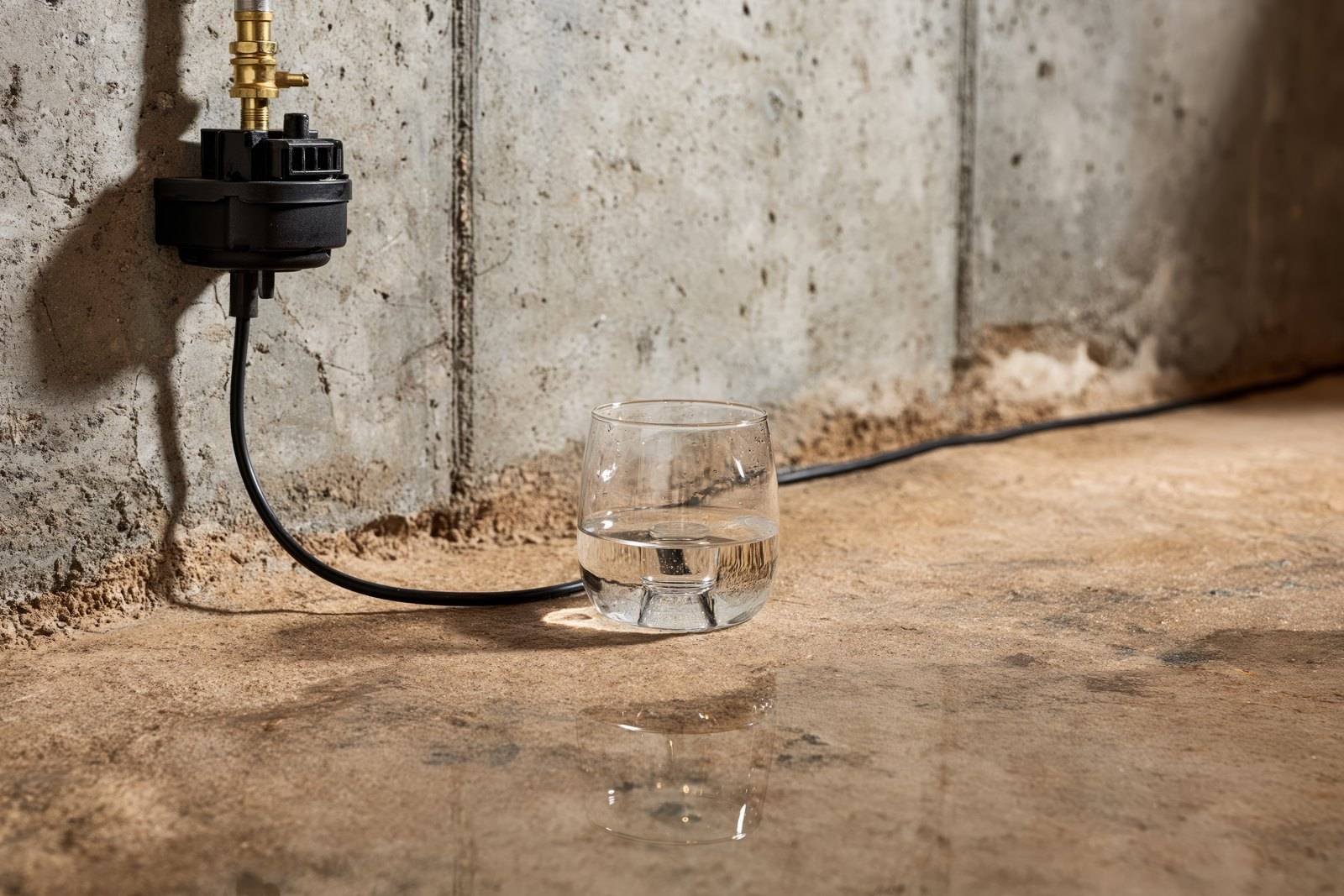
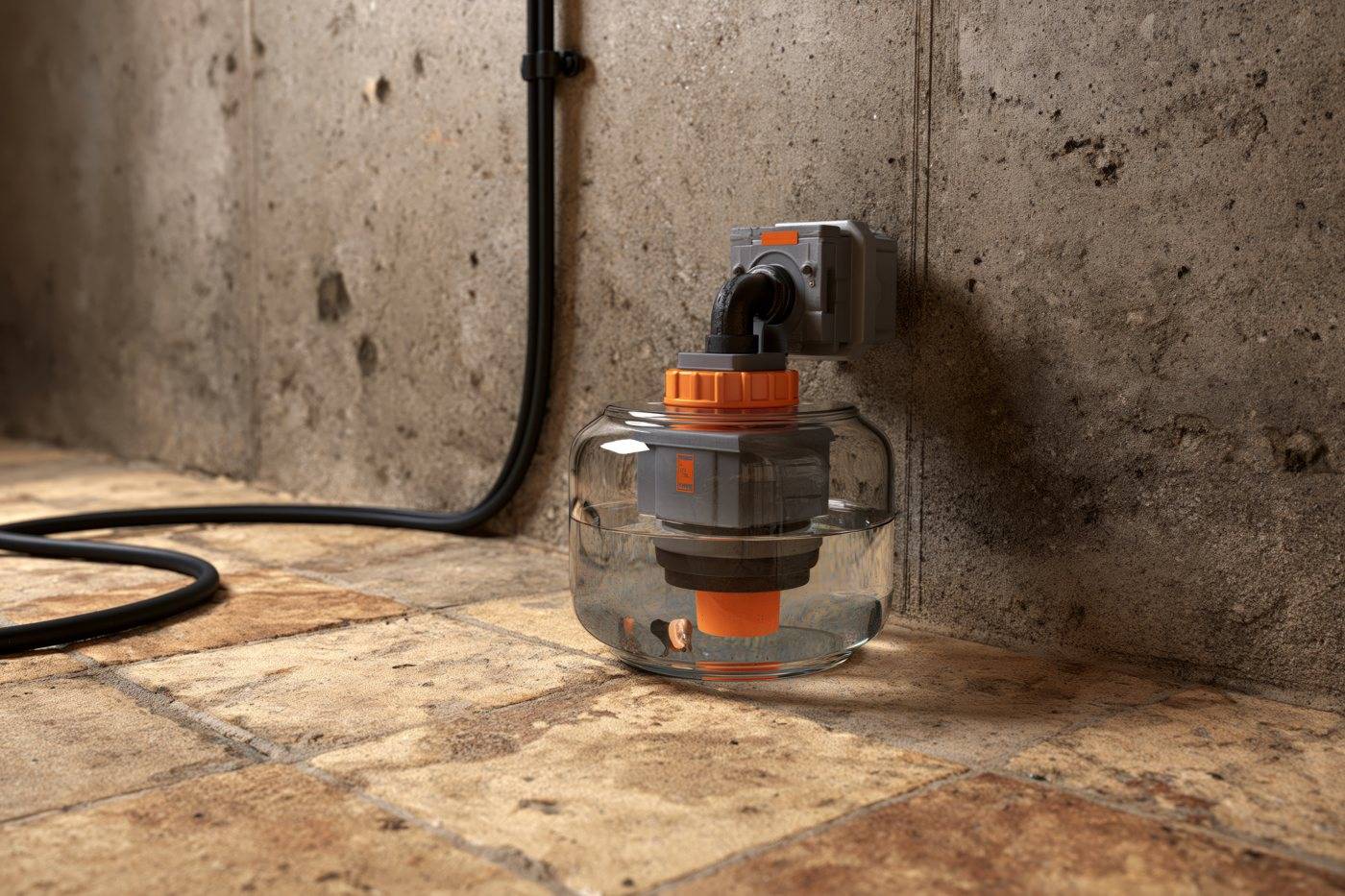
Water backup and sump overflow coverage: is your limit enough?
What a water backup endorsement covers and leaves out, what a basement backup costs to clean up, and a checker that compares your limit with your basement.
Read the guide: Water backup and sump overflow coverage: is your limit enough? -
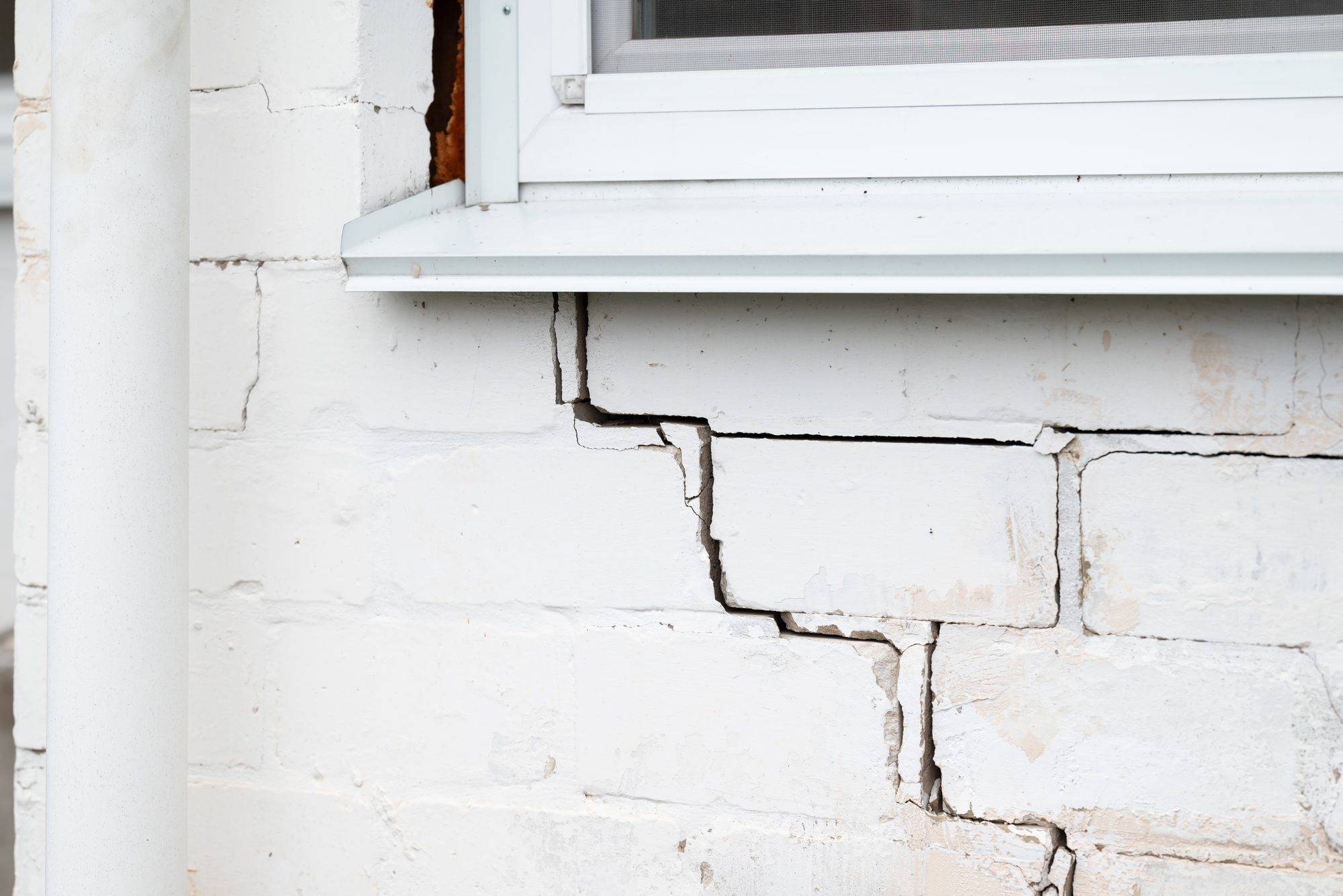
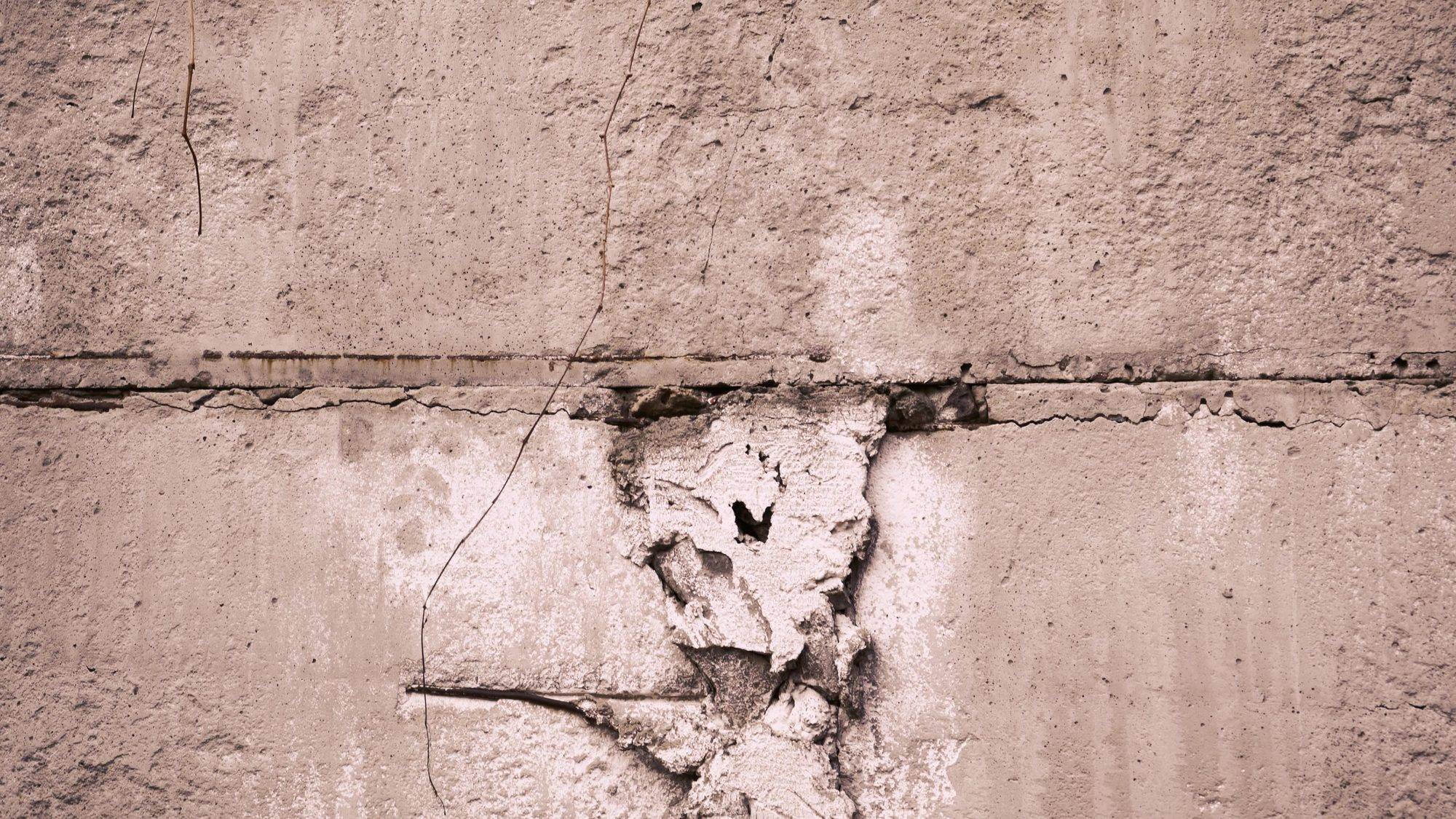
Does homeowners insurance cover foundation repair?
Most foundation damage comes from settling or soil movement, which policies exclude. When a foundation claim can be covered, and what decides it.
Read the guide: Does homeowners insurance cover foundation repair? -
Water damage insurance claims: what happens and when
How a water damage claim moves from first call to payment, the insurer’s deadlines in VA, MD and PA, what to document, and what to do if you disagree.
Read the guide: Water damage insurance claims: what happens and when
Related guides in other sections
-
-

-
-