

Insurance & claimsGuide 2 of 5
Does homeowners insurance cover mold?
From Below the Sill · belowthesill.com/insurance/mold/
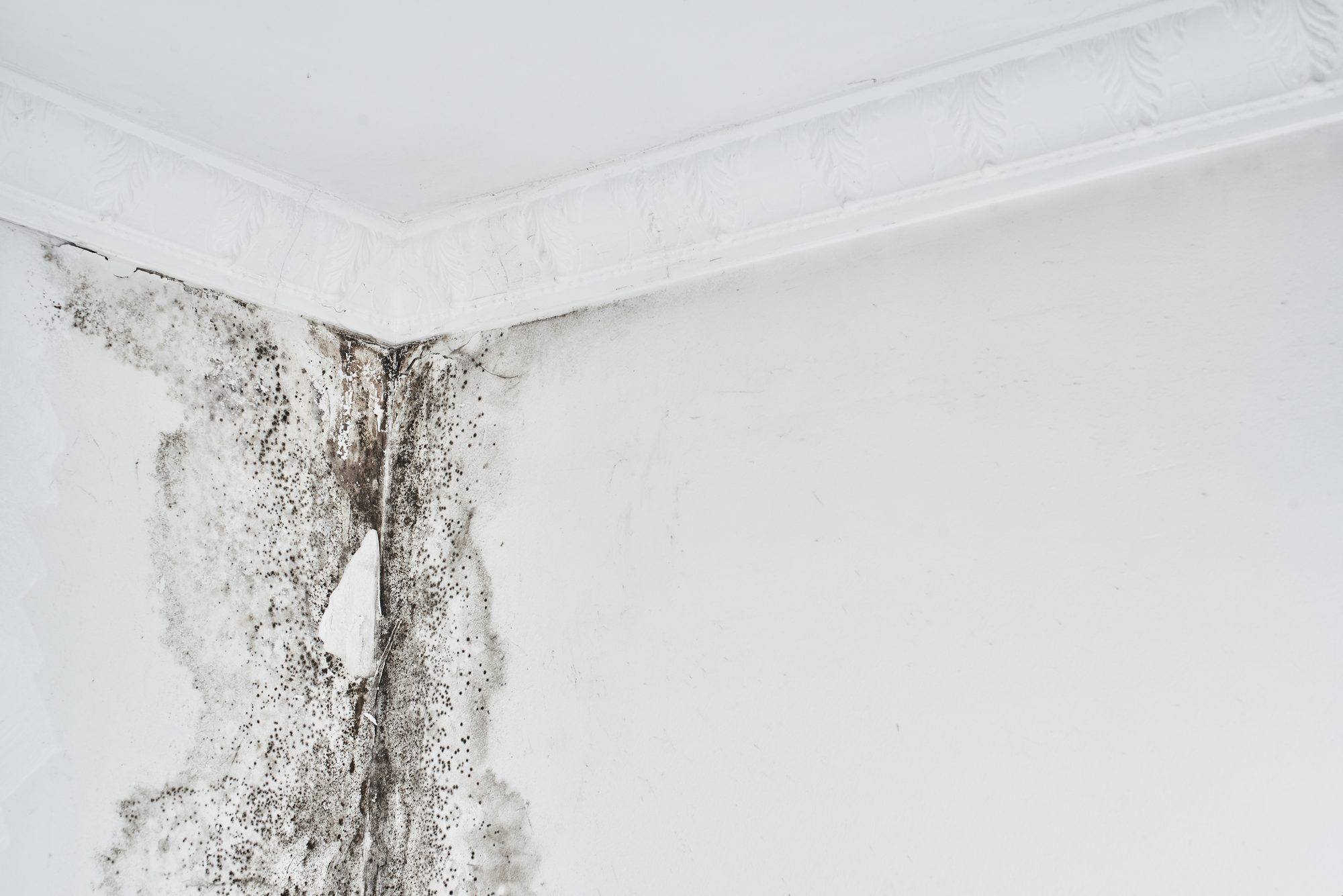
Short answer
Usually only when the mold follows a covered water event, such as a pipe that bursts, and only up to whatever mold limit your policy sets. Mold that grows from long-term humidity, condensation or water seeping through the foundation is usually excluded.
On this page
I never tell a homeowner they’re covered just from looking at the damage. That’s up to the policy and the insurance company. What I can tell you is what usually decides it.
From the field: four basement jobs and what decided coverage
These are actual remediation jobs I’ve done, with no client details. The costs are approximate 2026 figures for cleanup, containment, removal and drying only, not rebuilding. They’re examples, not quotes.
| Job | What happened | Area affected | Approx. cost | What coverage hinged on |
|---|---|---|---|---|
| Burst pipe, Virginia | A copper pipe burst behind the laundry room wall in a finished basement. Baseboards, part of the drywall and wet insulation came out | About 140 sq ft | $4,000 to $6,500 | The sudden water damage can be covered; the mold portion depends on the policy and its mold limit |
| Washer leak, Maryland | A washer connection failed, soaking laminate flooring, insulation and drywall in a finished basement | About 200 sq ft | $6,000 to $10,000 | Showing it was a sudden accidental discharge, then the policy’s mold terms |
| Chronic humidity, Pennsylvania | A musty smell for a long time; mold behind wood paneling | About 250 sq ft | $4,500 to $8,000 (estimate) | Long-term condensation and humidity are usually excluded |
| Foundation seepage, Virginia | Water came in through a wall crack during rains | About 180 sq ft | Repair can exceed $10,000 if exterior waterproofing is needed (waterproofing, not mold remediation) | Groundwater seepage is usually excluded from a standard policy |
What you’ll notice in all four is that the mold isn’t what decides coverage. The water that caused it is. If that water came from a sudden, accidental event, there may be something to claim. If it built up over months, there usually isn’t.
Mold limits and the policy wording to look for
You can be covered for the water and still find the mold part of the bill capped. Policies handle mold in roughly three ways: some don’t cover it at all, some cover it only after a covered event, and some cover it up to a set sublimit. Amounts like $5,000, $10,000 or $25,000 are examples you may see, not a standard in Virginia, Maryland or Pennsylvania. Some insurers sell an endorsement that raises the limit.
On a large basement job, a low mold limit can run out before remediation is finished. That’s why it’s worth knowing your limit before anything happens. For what the work itself usually costs, see mold remediation cost.
Look for these headings in your policy:
- Fungi, Wet or Dry Rot, or Bacteria (the usual mold exclusion)
- Limited Fungi Coverage or a similar additional coverage, which is where a sublimit usually sits
- Water Damage, and any exclusion for Repeated Seepage or Leakage
- Duties After Loss, which sets what you must do after damage, including reporting it
State notes. No single mold limit applies across Virginia, Maryland and Pennsylvania. In Virginia, the rules on what homeowners policies may contain allow insurers to exclude direct loss caused by mold or wet or dry rot. They preserve coverage for an ensuing loss from a covered cause, but they don’t require insurers to pay for mold remediation every time a covered water loss happens. In Maryland, mold coverage varies by policy. In Pennsylvania, read the exclusions for moisture, deterioration and earth movement closely.
How adjusters tell sudden from gradual
This is where most mold claims are won or lost. On site, these are the signs that point to water that has been there a long time:
- Rotted wood or framing
- Drywall that crumbles instead of just being wet
- Corrosion on fasteners, pipes or fittings
- Old stains with newer stains on top of them
- Efflorescence, the white mineral crust on masonry
- Signs of earlier repairs in the same spot
One thing that often surprises people: the color and size of mold don’t reliably tell you how long it’s been growing. A large patch doesn’t prove a long leak, and a small one doesn’t prove a recent one. A fair assessment weighs all the evidence together, which is why your own documentation matters so much.
What to document before remediation starts
Once drywall comes out and the area is cleaned, the evidence is gone. Before work begins, keep:
- The water source: photos of the pipe, fitting or appliance, and keep the failed part if you can
- Wide and close photos of every affected wall and floor, with something in the frame for scale
- Moisture readings with dates, which a restoration company should take and give you
- The plumber’s invoice and, ideally, a written note on what failed
- An inventory of damaged belongings
None of this should hold up urgent safety work. If water is still running or there’s an electrical hazard, take care of that first.
What a solid remediation scope looks like. A solid scope is consistent with the IICRC S520 standard for mold remediation and covers where the moisture came from, which areas are affected, and line items for containment, protection, removal, cleaning, equipment and the checks at the end, with a floor plan, photos and measurements attached. A scope written this way is easier for an adjuster to follow. It doesn’t oblige the insurer to accept the estimate or guarantee coverage.
Report it promptly. Most policies ask for notice “promptly” or “as soon as practicable” rather than within a fixed number of hours. Call as soon as you can, document, and prevent further damage. The 24 to 48 hours you hear about is a drying target to limit mold growth, not a claim deadline.
If the claim is reduced or denied
Most disputes I’ve seen come down to whether the loss was sudden and accidental or gradual, how much material had to come out, what could have been saved, pricing, and missing documentation. If your contractor’s number is different from the insurer’s, that’s common, and on its own it doesn’t mean anyone is acting in bad faith.
Ask the insurer, in writing, which part of the policy they relied on: the exclusion, the limit or the section. Then read that wording in your own policy.
On a large loss, a public adjuster can add real value: a big scope disagreement, several trades involved, a lot of documentation. On a small loss, their fee can take a large share of the payout. And no adjuster can turn an exclusion into coverage. Public adjusters must be licensed in your state, so check before you sign anything.
If the water came from a backup or a flood, see flooded basement insurance for how the source decides which policy answers.
Insurance information reviewed for accuracy by Nathaniel Calderbrook. This is general information, not a coverage decision: your policy wording and your state decide what is covered.
Who wrote this guide
Written by
Licensed contractor in Virginia who specializes in moisture, water, mold and radon.
- Five IICRC certifications, including Building Moisture Inspection and Mold Remediation Specialist
- Virginia contractor license, Residential Building Contractor (RBC) class
- NRPP certified Radon Measurement Professional (2018) and Radon Mitigation Specialist (2020)
- EPA RRP Certified Renovator (lead-safe renovation)
Insurance review
Nathaniel Calderbrook, Home Insurance & Claims Contributor
Reviews the insurance information in this guide for accuracy.
- Licensed Property & Casualty Insurance Producer in Virginia, Maryland and Pennsylvania
- 17 years in homeowners insurance, with a focus on water damage and structural claims
- Independent agent: earns commissions from insurers. We don’t recommend insurers or send readers to any agent
Below the Sill is independent and educational. We don’t provide inspections, engineering or repair services, contractor referrals or estimates.
Share this guide
All 5 guides in Insurance & claims
Insurance & claims topic page- 01Flooded basement insurance
- 02Mold and insurance (you’re here)
- 03Water backup coverage
- 04Foundation damage and insurance
- 05Water damage claims
A seasonal check, by email
Four emails a year, before each season changes: what to look at in your basement, crawl space and yard, and the guides we’ve published since the last one.
Sources
- Virginia Administrative Code, 14VAC5-342-60, Exclusions applicable to property coverages (opens in a new tab). Checked October 2026.
Field cases come from Robert Stulpt’s own remediation work; each names only the state to keep the owners anonymous. Below the Sill doesn’t sell insurance or recommend insurers. Coverage depends on your policy wording and your state.