
Black mold: what it is, what it isn’t and what to do first
Short answer
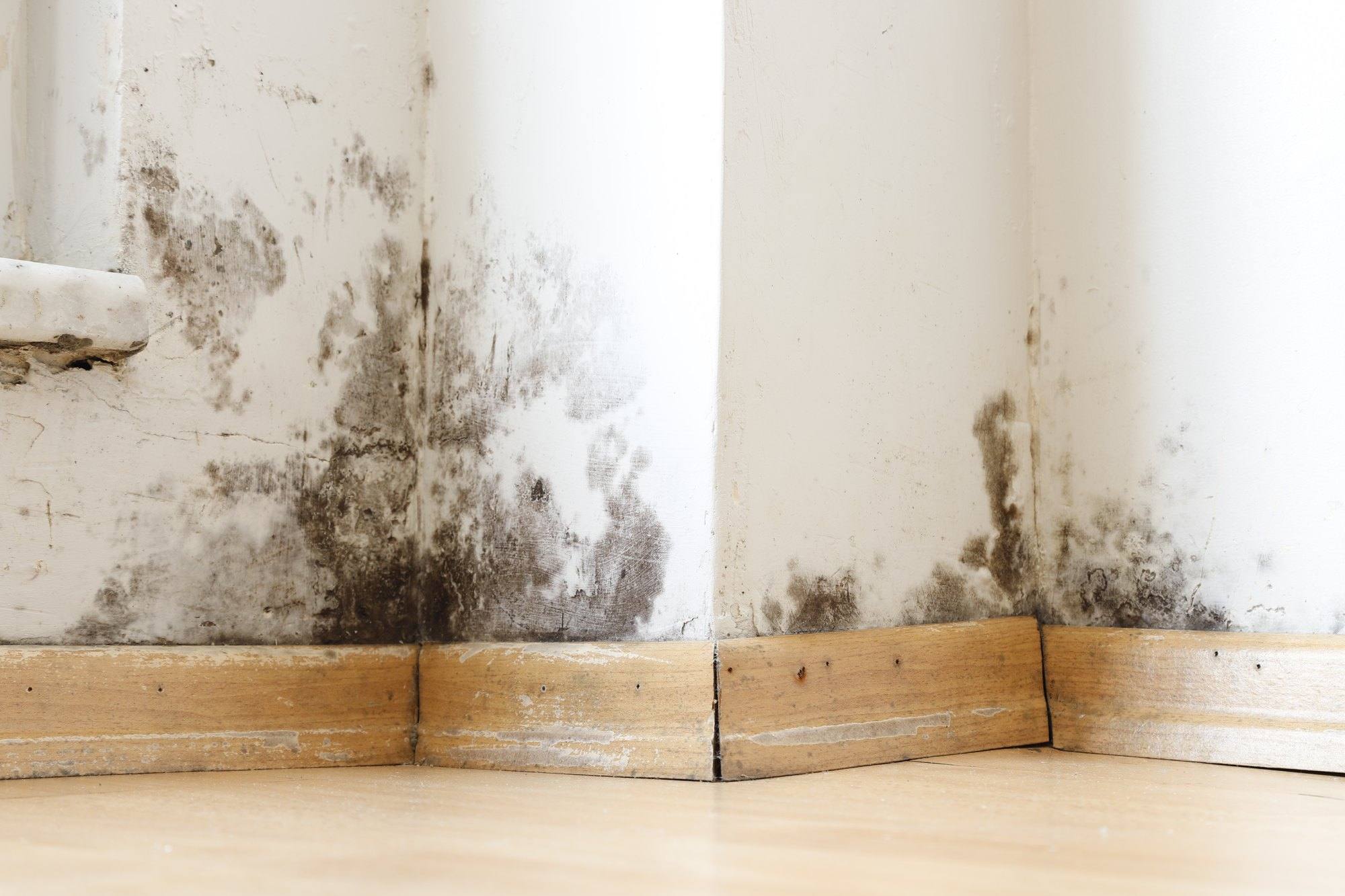
“Black mold” isn’t the name of one species. It’s what people call any mold that’s dark in color, and you can’t tell what type it is or how harmful it is by the color. When most people say black mold, they mean Stachybotrys chartarum. It does exist, and it grows on drywall, paper and other materials with a lot of cellulose that stay wet. But you can’t tell by looking at it whether that’s what you have. The CDC says all molds should be treated the same, so the job is the same too: find the moisture, fix it and remove the mold. If it’s a small area on a surface you can clean, you can most likely handle it yourself once the moisture problem is fixed.
On this page
What does black mold look like?
Most of the time, when someone calls me about black mold, it is mold. It’s just not something anyone has identified. Nobody calling me knows which type of mold they have.
Dark mold can range from black to dark green or gray. It usually shows up as spots or growth on the surface of a material, and you may notice a musty smell. According to the CDC, Stachybotrys chartarum is a greenish-black mold that needs constant moisture to grow. It grows on materials with a lot of cellulose, such as gypsum board, fiberboard and paper. That’s why, on drywall that has been wet for a long time, I’m more likely to suspect real mold growth.
If it’s on concrete or block, I first look at what’s on the surface. The black could be in the paint or in dirt that has built up on it, not in the concrete itself.
Black stains that aren’t mold
A lot of what people think is black mold in their basement isn’t mold at all. These are the look-alikes I see most:
| What you see | What I check |
|---|---|
| Dark streaks near a gap, a duct or a door | Soot or dirt carried by air leaks. A mark that follows an air path can be just dirt. |
| Dark lines along a cold pipe, wall or ceiling | Dust that collects where surfaces are cold. |
| Stains next to iron or metal | Rust from iron or corroding metal. |
| Dark areas in the grain of wood | The wood’s natural color. |
| Rings or tide marks | An old water stain. It shows something got wet, not that anything is growing. |
| A dark film on paint that stays damp | Dirt sitting on the paint. |
If a spot showed up after water got in, sits on a material that was wet for a long time and has growth on the surface, I’ll suspect mold. But I won’t identify any mold by its shape or color alone. I look at the pattern, the surface and whether there’s moisture.
Is black mold dangerous?
Some people react to mold, whatever color it is. According to the CDC, a stuffy nose, sore throat, coughing or wheezing, burning eyes and skin rashes are possible reactions, and people with weakened immune systems or chronic lung disease can develop lung infections.
“Toxic black mold” is a term you’ll see everywhere. Stachybotrys has been studied as a possible cause of bleeding in the lungs of infants, but the CDC says that link hasn’t been proven. It also says no test can show that a certain mold caused someone’s symptoms. If you or someone in your home has symptoms that won’t go away, talk to your doctor.
Do you need to know if it’s Stachybotrys?
Probably not. The CDC says you don’t need to know what type of mold you have, because all molds should be treated the same when it comes to health risks and removal.
Even when a lab confirms Stachybotrys, my process stays the same: find the moisture, remove the affected materials that can’t be cleaned, clean the area and contain the contamination while working. How big the job is depends on how much material is affected, where it is and whether there are health concerns for the people living there. I won’t remediate more aggressively just because of the species name. To see when testing is worth it, read mold inspection and testing.
Found a black spot? The first 24–48 hours
- Take a photo.
- Look for a leak or a place where water is getting in. If there is one and you can stop it safely, do that first.
- Don’t scrape, sand or pull off drywall to see how much mold is behind it.
- Don’t point a fan straight at the spot.
- If it’s a small, surface patch on a material you can clean, you can usually do it yourself with gloves, eye protection and at least an N95. Mold in basements walks through the cleanup.
- If there’s a lot of growth, the water was contaminated, or you suspect mold behind a wall, don’t open it up yourself.
If you have severe asthma, a weakened immune system or any other breathing problem, you shouldn’t clean up mold yourself. The EPA also recommends talking to a health professional before you start if you have any health concerns, and hiring a professional if sewage or other contaminated water is involved.
The 24–48 hours comes from the EPA’s advice to dry wet materials within that time to keep mold from growing. It doesn’t mean you need to tear out mold the moment you see it.
Where black mold grows in a basement
Behind drywall is where I find most of it, especially along the bottom. It can also be behind baseboards, under carpet and carpet pad, on cardboard stored against foundation walls and on some framing.
I find more hidden mold in finished basements. If your basement is unfinished, you can usually see which materials are getting wet. I wouldn’t assume all that dark growth is Stachybotrys.
How to get rid of black mold
You treat it the same as any other mold. Find the source of the moisture and remove the mold. Most hard surfaces can be cleaned, and porous materials with significant growth, such as drywall, carpet pad and insulation, usually have to be removed. Bleach isn’t the answer, and killing the mold won’t solve the problem: dead mold can still cause reactions, so it still has to be removed.
See mold in basements for how to clean it and when to call a professional, and mold remediation cost for what a professional job costs.
Sources
- CDC, Facts About Stachybotrys chartarum (opens in a new tab) (May 29, 2024): greenish-black, high-cellulose materials, constant moisture, link to infant lung bleeding not proven, no test links a mold to symptoms, all molds treated the same.
- CDC, About Mold and Your Health (opens in a new tab) (September 26, 2024): possible reactions.
- EPA, Mold Cleanup in Your Home (opens in a new tab) (updated June 4, 2026): health concerns, contaminated water, porous materials.
- EPA, Mold Remediation in Schools and Commercial Buildings, Chapter 3 (opens in a new tab) (updated April 29, 2026): dead mold is still allergenic; bleach not recommended as routine practice.
- EPA, A Brief Guide to Mold, Moisture and Your Home (opens in a new tab): drying within 24–48 hours.
Robert Stulpt holds the IICRC Applied Microbial Remediation Technician (AMRT) and Mold Remediation Specialist (MRS) certifications and owns a remediation company in Virginia. Below the Sill doesn’t send him customers.